Start with event requirements
Preparation begins with the organiser’s current information, not a generic checklist. Confirm vehicle eligibility, noise limits, driver documents, helmet rules, clothing, passenger conditions and arrival times. Review the briefing material and the cancellation or weather policy. Requirements differ between circuits and events, so do not assume a previous day’s rules still apply.
Check whether the event provides support, recovery arrangements, fuel access or equipment. These items may be limited or unavailable. Plan your route, arrival window, meals, water and journey home. If you expect to drive after a tiring day, build in a realistic rest plan.
Tyres and wheels
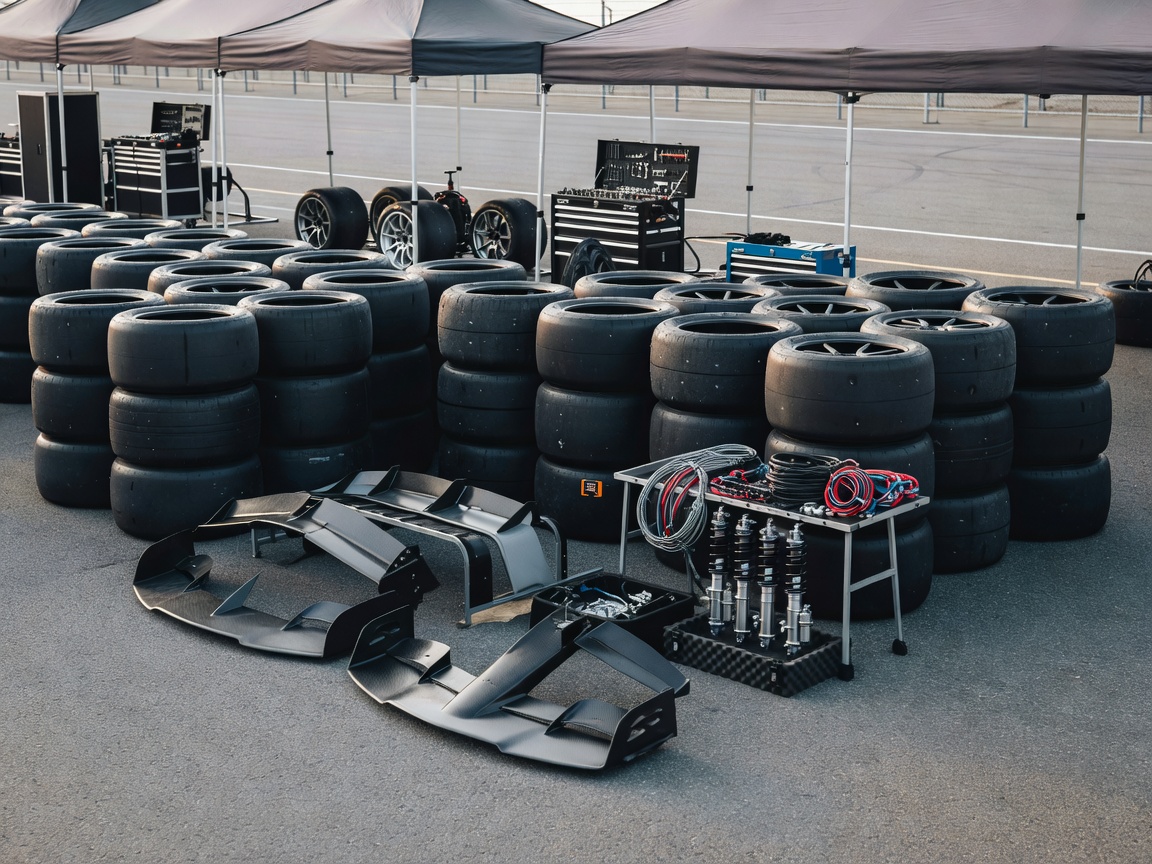
Look for obvious damage, unusual wear, embedded objects and condition concerns. Use the vehicle manufacturer’s guidance and the event’s rules for inspection and pressure requirements. Tyre needs change with vehicle, load, temperature and use. Do not copy another participant’s settings or make an adjustment based on an isolated online figure.
Wheels should be in sound condition and correctly secured according to the vehicle manufacturer’s specification. If you see cracks, impact damage, vibration or anything you cannot assess, do not attempt a high-load circuit session. Ask an appropriately qualified technician to inspect it. Avoid improvised repairs or unverified modifications.
Brakes, fluids and battery
Brakes are safety-critical. Unusual noises, warning lights, leaks, a soft pedal or visible damage need professional attention before circuit use. Brake components can experience higher loads on track than during ordinary journeys. A basic visual check is not a complete inspection, and this guide is not a repair procedure. Arrange work through a suitably qualified professional and follow manufacturer advice.
Check fluid levels using the owner’s manual and look for visible leaks. Do not open hot systems or handle fluids without suitable knowledge and precautions. Battery security and general electrical condition should meet vehicle and event requirements. If the battery, charging system or warning indicators raise concern, seek qualified diagnosis rather than bypassing a warning.
Safety equipment and clothing
Confirm whether a helmet is required, whether one is supplied and which specifications the event accepts. Inspect equipment for damage and correct fit. Clothing and footwear requirements vary. Some events require covered arms, suitable footwear or additional protective items. Bring only equipment that complies with the organiser’s stated rules.
Keep the cockpit free of loose objects. Secure personal items and confirm that required restraints and safety equipment are used as designed. Do not modify restraint systems or fit safety equipment without suitable professional advice. Follow the vehicle manufacturer and circuit procedures.
Documents, fuel and recovery planning
Prepare the documents requested by the organiser, which may include proof of identity, a driving licence, booking confirmation, waivers or vehicle details. Verify which documents are required and how they must be presented. Keep emergency contact information accessible.
Fuel planning depends on the vehicle, circuit, session schedule and availability. Do not assume a circuit sells fuel or that a particular quantity will be sufficient. Ask the organiser what facilities are available and plan a lawful, safe way to carry fuel only if permitted. Follow transport rules and use appropriate approved containers.
Consider what happens if the vehicle cannot continue. Check event recovery information, roadside assistance terms and any limitations for circuit use. Ordinary breakdown cover may exclude track activity. Clarify coverage before the event and have a plan for transport home.
Weather and personal readiness
Review the forecast and pack for changing conditions. Rain, heat, cold and low visibility can alter the day’s format and vehicle behaviour. The organiser decides whether sessions proceed. Bring suitable layers, water and any personal medication. Take breaks. Fatigue, illness or stress can affect concentration; stop driving if you cannot focus.
Arrive with enough time to register, check the vehicle and attend the full briefing. Do not skip procedures to gain extra track time. If the car feels different, a warning appears or a fluid leak is suspected, tell event staff and leave the circuit as directed.
Advantages and limitations
A checklist reduces forgotten tasks and creates time to address issues before arrival. It does not certify a vehicle as safe. A brief owner check cannot replace a professional inspection, manufacturer guidance or event technical requirements. Condition can change during use. Drivers remain responsible for following circuit rules and responding to instructions.
Good for
This preparation approach suits drivers using their own cars, participants attending a supplied-vehicle experience and anyone organising a first circuit visit. Personal-car users should allow time for qualified inspection and any necessary maintenance before the event.
What to know
- Get current event requirements directly from the organiser.
- Use manufacturer guidance for vehicle checks and specifications.
- Have safety-critical inspections and repairs handled by qualified personnel.
- Check insurance and recovery exclusions for circuit use.
- Do not drive if the vehicle or driver is not ready.