Technique needs context
Driving technique is not a set of universal commands. Vehicle design, tyres, surface, weather, circuit geometry, traffic and driver experience change what is suitable. Circuit instruction should be delivered by a qualified person and practised only where the organiser permits it. Public-road conditions are different, governed by traffic laws and the needs of other road users. Do not use these concepts to drive faster on public roads.
Approach and observation
Before a corner, a driver needs time to understand the route, the surface and the relevant event rules. Vision should move toward useful information ahead while still monitoring mirrors, track limits, other vehicles and signals. Looking through a turn can support planning, but it does not mean ignoring nearby hazards or marshal instructions.
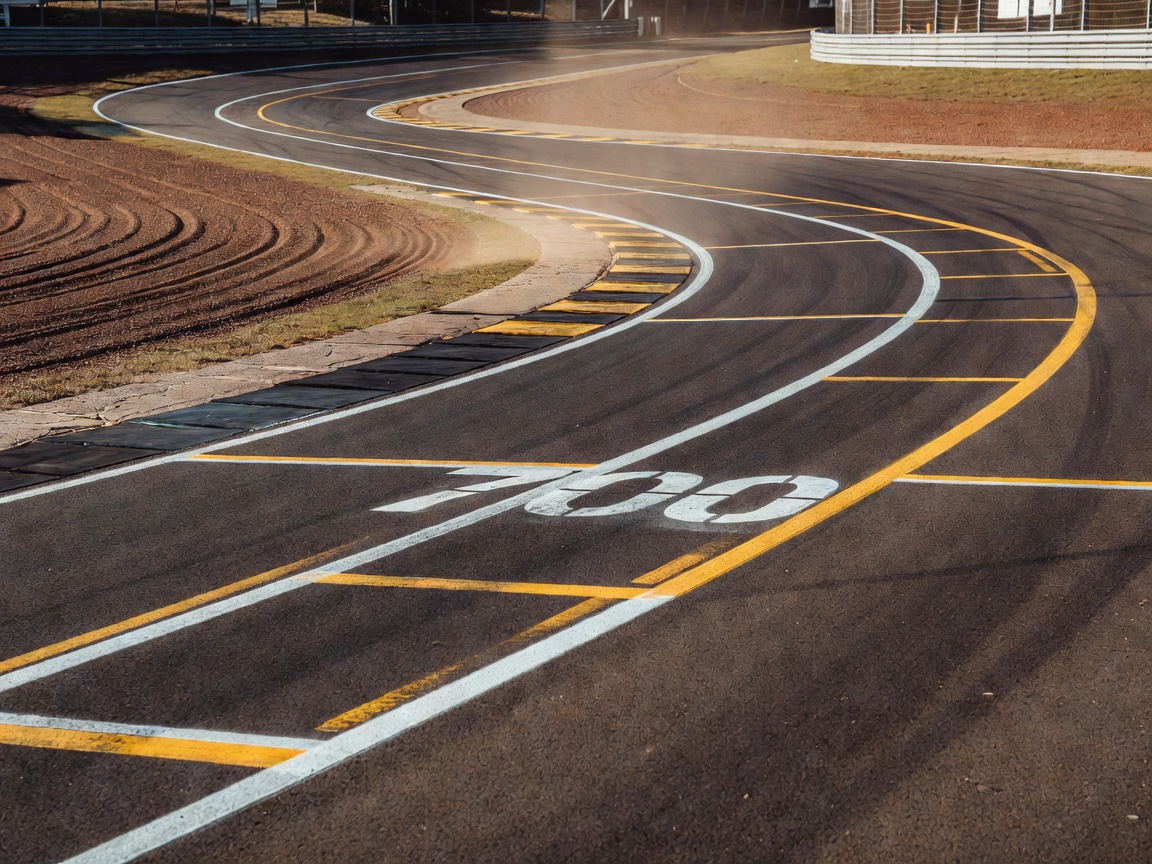
Reference points—such as a board, kerb or change in surface—can help a driver organise a routine. A marker is a visual aid, not a braking command. It may be unsuitable after a weather change, for a different vehicle or when traffic alters the approach. Never place cones or markers on a circuit unless authorised.
Braking as a controlled input
Braking reduces speed and affects vehicle load. A driver’s focus should be on planning, smooth application and awareness of grip, not on a universal distance or pressure. A coach may explain progressive pedal use and how braking relates to corner entry. The appropriate technique depends on the car, circuit and conditions. Learn it under supervision.
Brake condition matters. If a warning appears, the pedal feels abnormal, there is a fluid leak or braking changes unexpectedly, leave the circuit when safe and follow event procedures. Do not continue a session to investigate. Arrange qualified mechanical assessment where needed.
Turn-in, apex and steering
Turn-in is the point at which the driver begins steering toward a corner. The timing is shaped by the route, speed, grip, vehicle and what follows. An apex is the inside reference area a chosen line approaches or passes. It is a planning concept, not a compulsory target. A path that is useful for one corner may not suit the next, and event track limits always take precedence.
Steering should be deliberate and controlled. Unnecessary corrections can make the vehicle unsettled, but the right response depends on the car’s behaviour. Do not attempt a recovery technique based on a short article. Use a qualified instructor and an appropriate controlled training setting.
Throttle and weight transfer
Weight transfer describes changes in load across the tyres as a vehicle accelerates, brakes or turns. The concept helps explain why abrupt controls can affect balance. It does not provide a simple formula for a safe input. Vehicle setup, grip and conditions influence response, so instruction should use the actual vehicle and circuit context.
Throttle application through a corner should be measured and appropriate to available grip. Smooth progression is often easier to control than an abrupt change, but there is no universal point or rate that suits every corner. Prioritise a stable, predictable approach and follow coaching, event rules and safety instructions.
Smoothness and consistency
Smoothness means avoiding unnecessary abruptness, not moving slowly for its own sake. Clear, measured inputs can help a driver understand how the vehicle responds. Consistency gives an instructor something useful to assess. If a driver changes several inputs at once, it becomes difficult to understand what caused a different result.
Work on one point at a time. For example, a session might focus on looking earlier at an agreed reference. Rest between sessions and ask for clarification. Stop if attention, confidence or vehicle condition changes.
Feedback and self-review
After a session, describe what you noticed rather than claiming a technique was correct. An instructor can relate the observation to the vehicle, circuit and conditions. Video may help review visual attention or steering timing, but camera position and missing context limit what it can show.
Telemetry may record speed, position or control inputs. It can support a comparison when measurements are reliable and conditions are comparable. It cannot determine every safety decision or explain the driver’s full visual workload. Avoid chasing an isolated number. Use a qualified person to interpret data and keep attention on driving while on circuit.
Advantages and limitations
Understanding technique concepts can make coaching easier to follow and support a more focused review. Concepts are not substitutes for practice, qualified instruction, a sound vehicle or circuit procedures. They do not promise lower lap times or guarantee control in an emergency.
Performance driving carries risk even on a closed circuit. Respect flags, pit-lane rules, passing procedures, track limits and the briefing. Never race on public streets, trespass at a venue, bypass safety systems or modify a vehicle without suitable professional advice.
Good for
This guide is for participants preparing to learn on an organised closed circuit. Beginners should start with an appropriate novice format and instructor support. Experienced drivers can use the concepts to form questions for a qualified coach.
What to know
- Technique varies with driver, vehicle, surface and conditions.
- Reference points support observation; they are not instructions by themselves.
- Use coaching to learn vehicle-control skills.
- Obey the full event briefing and stop for safety concerns.
- Do not practise performance technique on public roads.